Prior to the creation of the Prix Galien, this field of research had remained largely unrecognized. A jury was brought together, including clinicians, toxicologists and pharmacologists. Each year, the award has been an opportunity to give credit to the most important drugs introduced into the public market, as well as to the achievements of the best research teams in the pharmaceutical field. Since its creation, the Prix Galien has grown into a major event. It is present in 16 countries and the African continent, and continues growing and extending its reach.
It is seen as an influential event by all those interested in pharmaceutical research, including public authorities, scientists, pharmaceutical companies and medical press groups. For this reason, it is also considered the industry’s equivalent of the Nobel Prize and the highest accolade for pharmaceutical research and development.
The International Prix Galien awards the best of the best in innovations benefiting the human condition among Prix Galien laureates worldwide.
The International Prix Galien is organized once every two years. Candidates for the prize include winners of a national Prix Galien Award over the course of the two years preceding the awards ceremony.
Physiologist, clinician and researcher, Galen is the father of modern medicine and pharmacology, and his work has been considered a reference for over two millennia. Galen was born in AD 131 in Pergamon. He studied in Smyrna, Corinth and Alexandria, the three centres of medical excellence in the ancient world. According to a legend, Galen saw Aesclapius in a dream, and this dream inspired and directed the rest of his life.
When he turned 17, Galen worked as a physician at a gladiators’ training centre. Marcus Aurelius requested him to come to Rome when he was 37 and living in Aquila. In Rome, he grew in reputation and stature as a healer, teacher, researcher and writer. His ideas on the functioning of the human body were so well received that he became the personal doctor of young Commodus, the Emperor’s heir. Galen died in AD 201.
During his long and eminent life, Galen completed over five hundred pieces of work relating to anatomy, physiology, pathology, medical theory and practice, and many forms of therapy. His work formed the basis of the school of thought known as “Galenism”, which dominated medical thinking until the Renaissance. He travelled for a period of time throughout the world, studying local plants and remedies. He described 473 original drugs and many substances of mineral and vegetal origin. He was the first scientist to codify the art of preparing active drugs with ingredients and vehicles.
His faculties of observation, logic and deduction made him the true successor to Hippocrates, and his view that the prime aim of medicine is patient care has formed the very cornerstone of modern pharmacy.
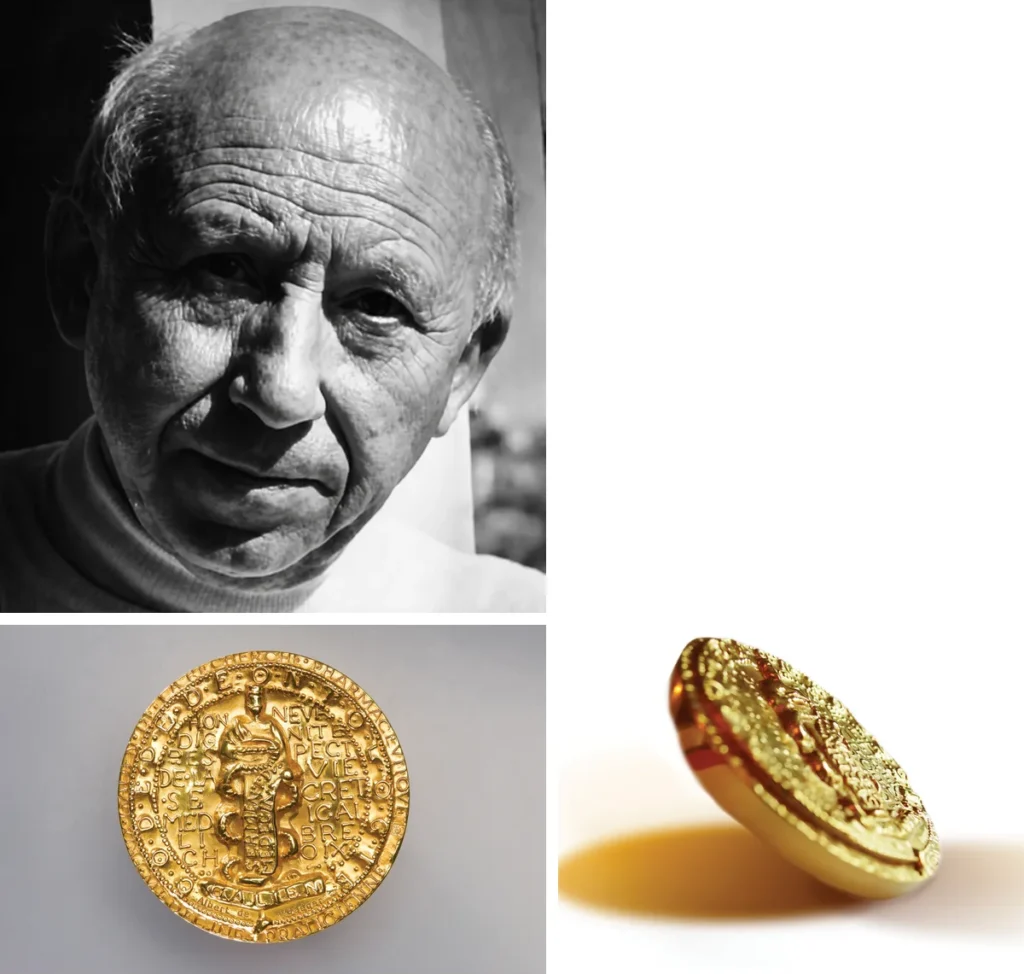
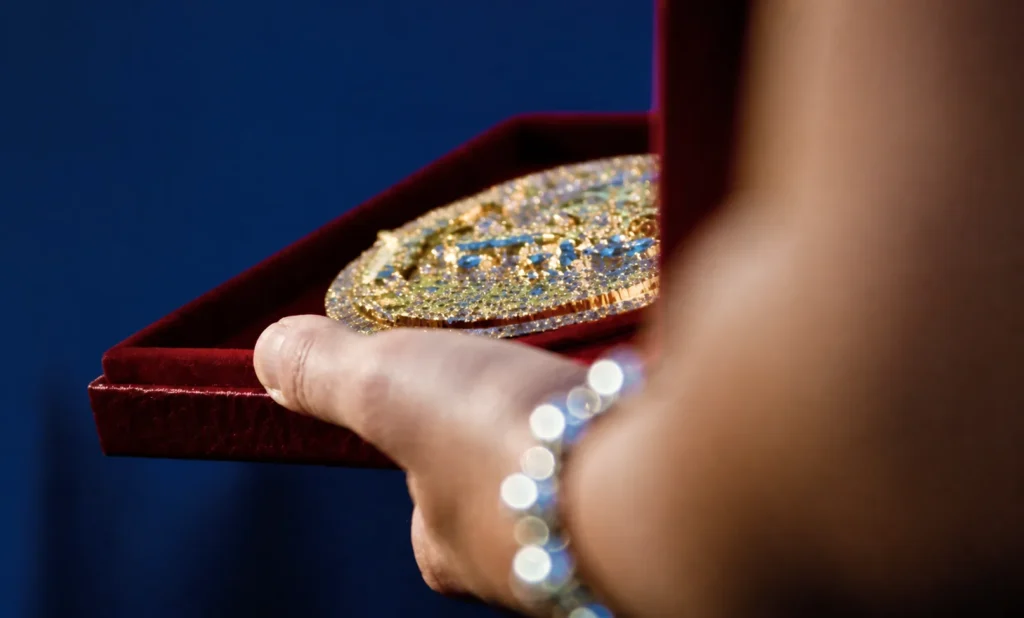
The medal was created by Albert de Jaeger (1908-1992), laureate of the Premier Grand Prix de Rome. Among his works are medals for prominent figures such as Pope Pius XII and Pope John Paul I; Presidents Dwight D. Eisenhower and John F. Kennedy; distinguished military leaders including Marshals Leclerc, Koenig, Montgomery, Marshall and Zhukov; and artists, literary figures and prominent personalities such as Sacha Guitry, Marcel Proust, Henri de Montherlant, Paul Harris, several Nobel Prize laureates, the Empress of Iran Farah Diba and Princess Grace of Monaco. Albert de Jaeger is also credited with numerous outstanding monuments in France and throughout the world.